
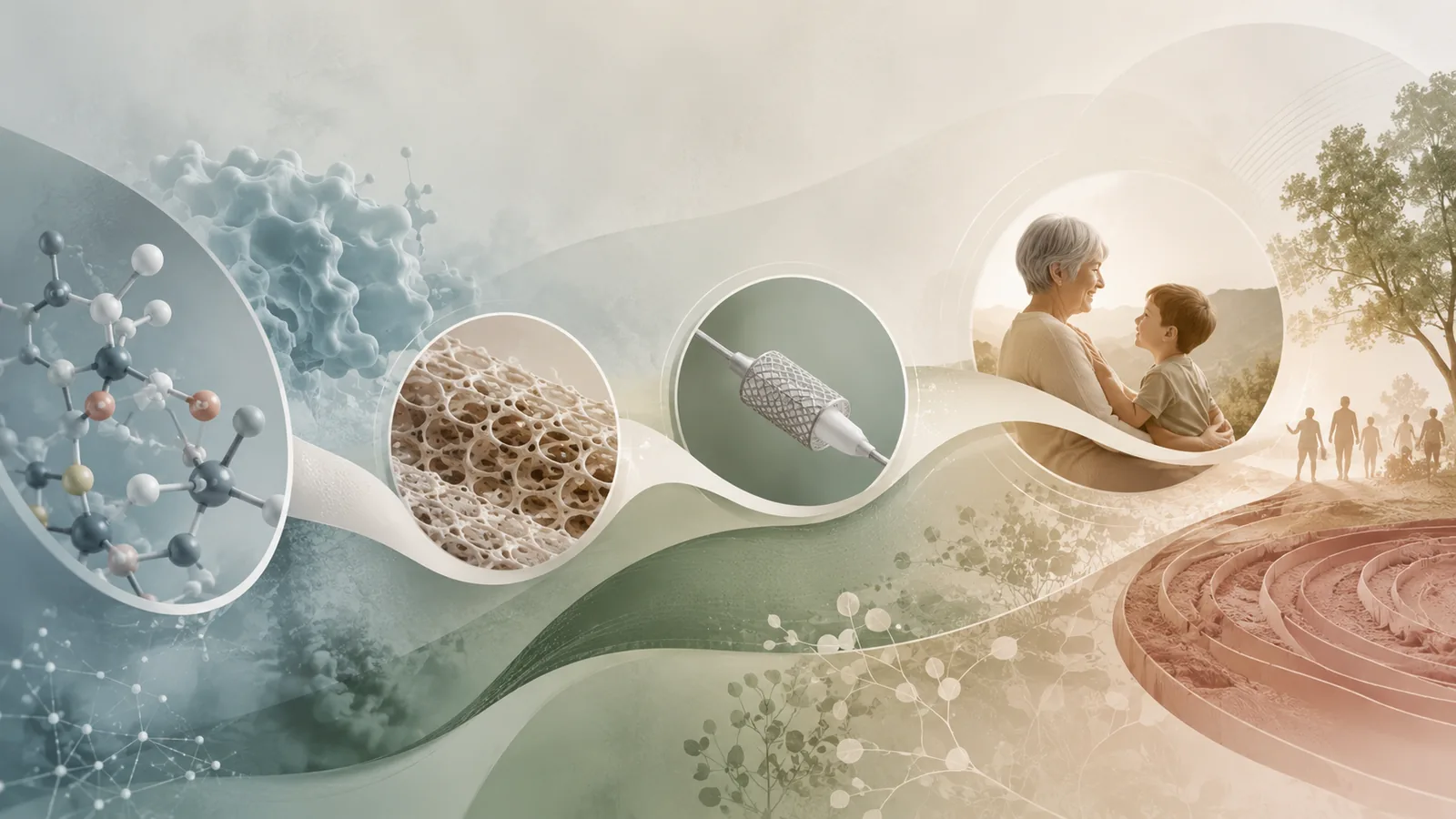
Translational Journeys
Beyond just publishing: some discoveries become new scientific questions. Others become inventions, devices, clinical studies, licenses, partnerships, or companies. Here are some of those journeys.


Journey 1Reimagining Blood
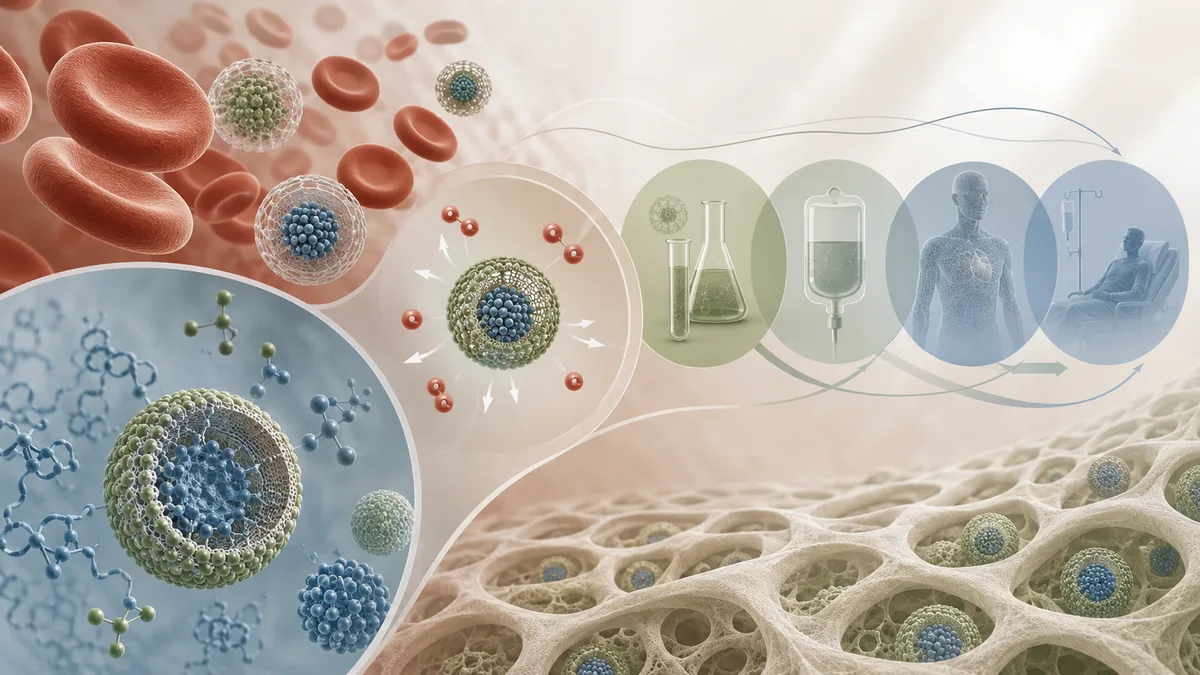
Can synthetic materials reproduce one of the most important functions of blood?
The journey begins with a critical clinical need: reliable oxygen delivery when donor blood is unavailable, undesirable, or in short supply. By applying fundamental materials science and nanotechnology to the challenge of oxygen transport, this work led to ErythroMer™, a bio-inspired, nano-encapsulated hemoglobin-based artificial red blood cell designed for long-term storage and use when conventional transfusion is not an option. KaloCyte is advancing ErythroMer toward clinical translation, with the goal of providing a practical blood substitute for trauma, pre-hospital care, austere environments, and other settings where stored blood may not be accessible.
- Clinical need
- Human blood is not available or desirable
- Fundamental materials
- Oxygen carrier
- ErythroMer
- KaloCyte
- Translation

Journey 2The Eye as a Diagnostic Window
Can tears become a non-invasive window into human health?
The journey begins with a clinical need for rapid, objective, and non-invasive assessment of ocular and systemic disease using tear fluid biomarkers. This led to the development of biosensing approaches that translate tear biomarkers into quantitative measurements, culminating in OcuCheck™, InnSight Technology's portable point-of-care platform designed to simultaneously measure biomarkers such as MMP-9 and tear film osmolarity. By moving tear analysis from laboratory testing toward compact, accessible devices, this technology provides a pathway toward personalized disease management and, ultimately, continuous health monitoring.
- Clinical need
- Tear biomarker
- Biosensor
- Prototype
- InnSight Technology
- Continuous monitoring

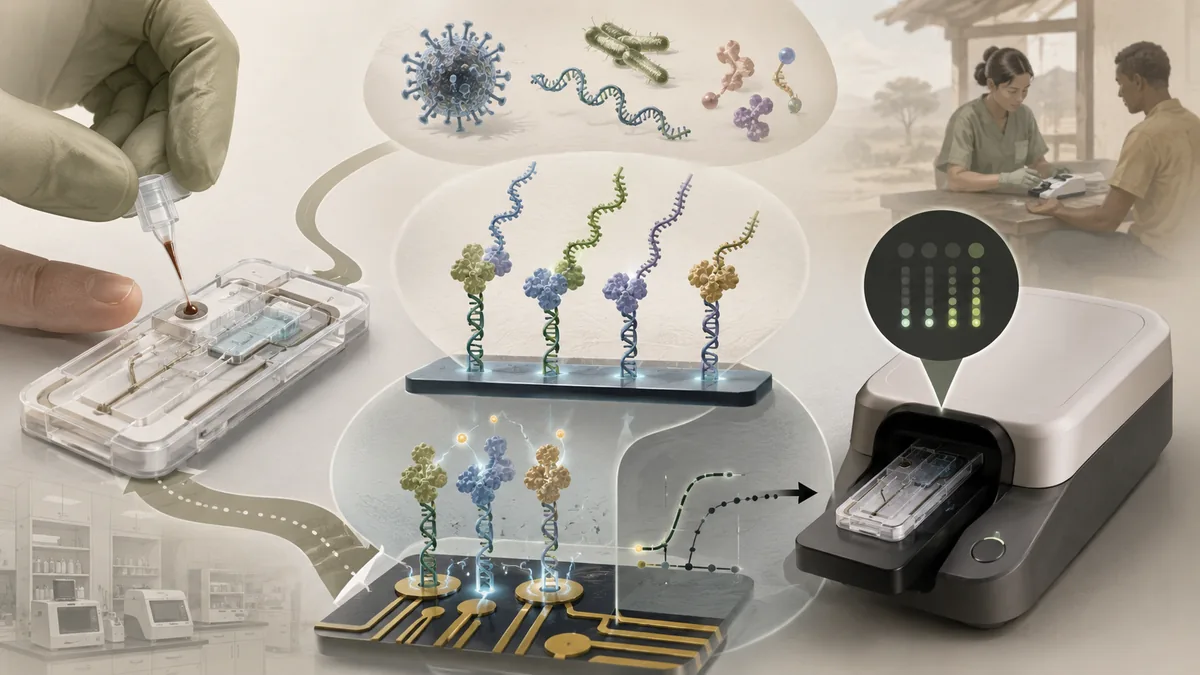
Journey 3Molecular Diagnostics Without the Central Laboratory
Can diagnosis move outside the centralized laboratory?
Applications could include
- HIV
- Syphilis
- STIs
- COVID-19
- Mpox
- Emerging pathogens
- Molecular recognition
- Nanotechnology
- Electrochemical sensing
- Clinical samples
- Point-of-care platforms

Journey 4Seeing Biology with X-rays
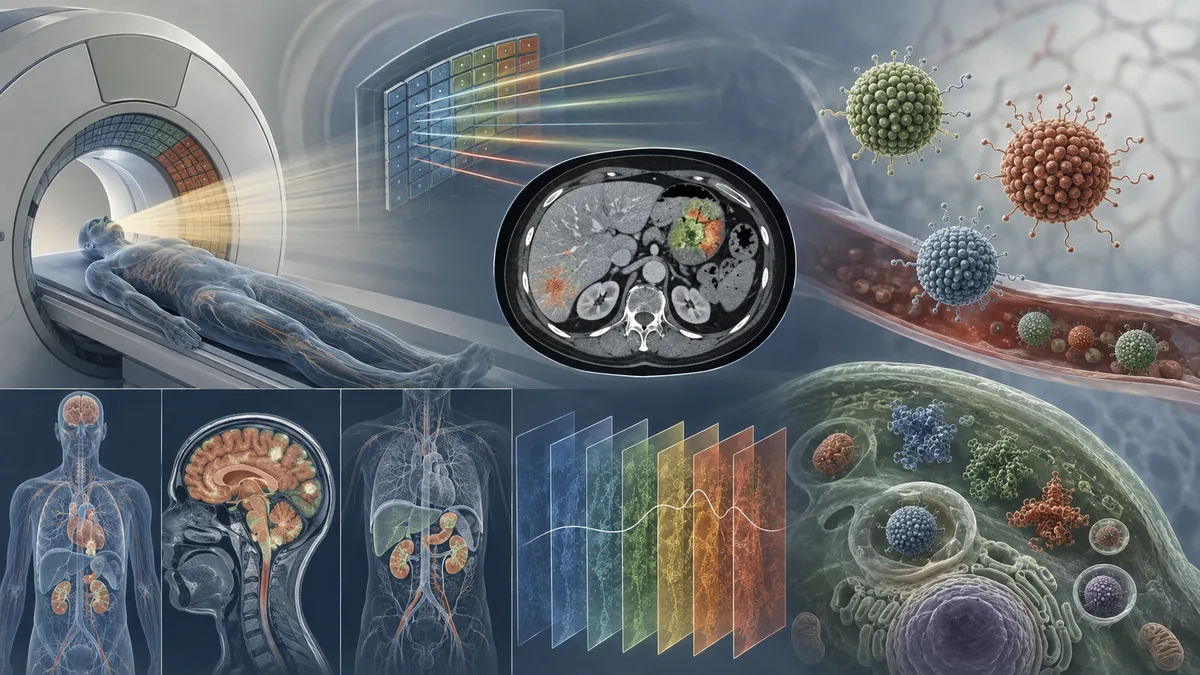
Can X-ray imaging move from anatomy toward molecular biology?
The journey begins with nanoprobe chemistry, where targeted, high-Z contrast agents are engineered to interact with specific biological features of disease. These probes create distinct K-edge signatures that can be detected using spectral imaging approaches, progressing from Spectral CT to Spectral Photon-Counting CT (SPCCT). By measuring the energy of individual X-ray photons, SPCCT can distinguish and quantify different contrast materials while simultaneously generating high-resolution anatomical images. This capability enables molecular imaging with CT, including multiplexed imaging of multiple targets in a single scan, with the potential to improve disease detection, characterize tissue biology, and monitor treatment response with greater precision.
- Nanoprobe chemistry
- K-edge imaging
- Spectral CT
- Photon-counting CT
- Molecular imaging

Journey 5Rethinking Women's Health Diagnostics
Can menstrual effluent become a routinely useful source of health information?
- Underused biospecimen
- Biomarker discovery
- Molecular sensing
- Point-of-care platform

Journey 6Repairing Blood from Within
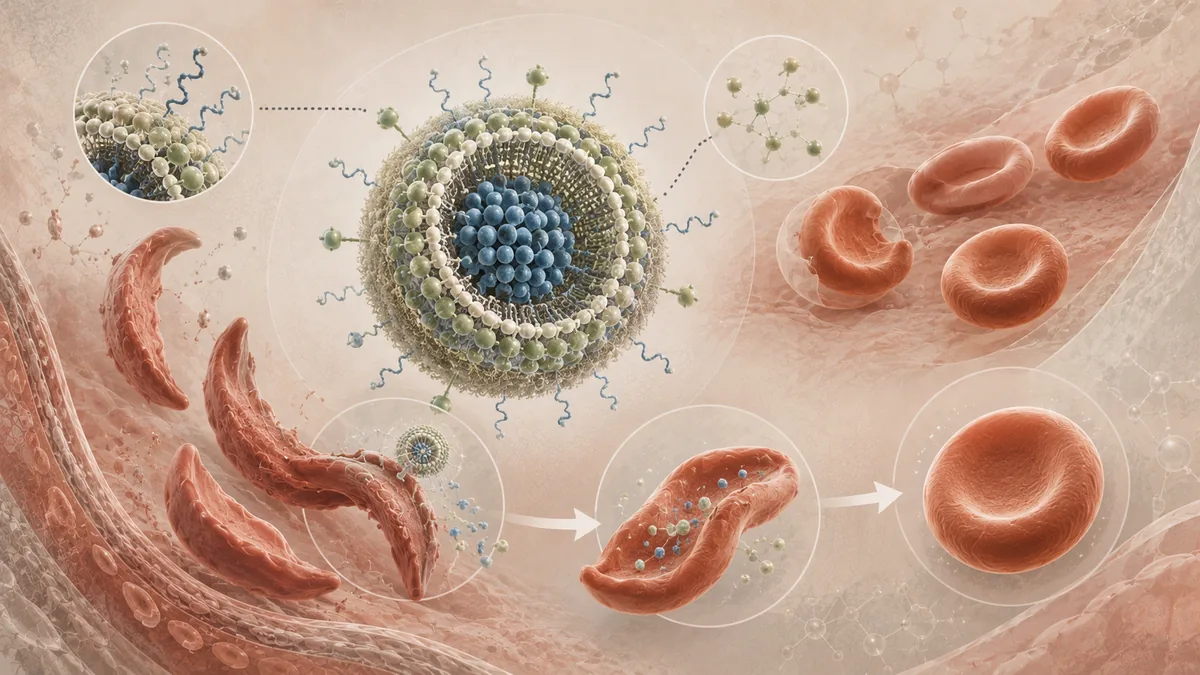
Can cell-inspired nanoparticles deliver anti-sickling therapies directly to red blood cells?
The journey begins with a critical clinical need: better ways to treat sickled red blood cells directly and effectively. By applying nanotechnology and drug-delivery engineering, this work uses cell-inspired lipid nanoparticles (LNPs) as protective carriers for anti-sickling therapies. The nanoparticles are loaded with therapeutic drugs and their surfaces are engineered to improve stability in the body, helping protect the cargo from premature degradation while promoting interaction with red blood cells. This approach aims to deliver anti-sickling therapies directly to diseased RBCs, with the goal of restoring healthier cell behavior and advancing a more targeted treatment strategy for sickle cell disease.
- Clinical need
- Sickled RBCs require targeted treatment
- Fundamental materials
- Cell-mimicking LNPs
- Anti-sickling drug loading
- Surface engineering
- RBC-targeted therapy
- Translation
